Blogs
Stay updated with our latest blog posts.

A furnace’s efficiency measures how well it converts fuel into usable heat, and improving that efficiency lowers energy bills, increases comfort, and extends equipment life. This guide shows homeowners practical, safety-first steps—from routine filter care and duct sealing to thermostat strategies and when to upgrade—so you can reduce consumption without sacrificing warmth. We'll explain how maintenance tasks like burner cleaning and combustion checks restore performance, why AFUE ratings matter for replacement decisions, and how ductwork and controls influence overall system efficiency in Paso Robles, Atascadero, and San Luis Obispo County. Concrete checklists, troubleshooting steps, and comparison tables make recommended actions easy to follow, while clear signals identify when a licensed technician is required. Read on for high-impact tips, a maintenance checklist you can use today, a comparison of furnace options, and localized guidance that helps you prioritize improvements for Central Coast homes.
Improving furnace efficiency begins with addressing airflow, combustion, controls, and the building envelope because each element directly affects how much fuel the system must burn to meet heat demand. Practical steps—filter replacement, vent clearance, duct sealing, thermostat setbacks, and pre-season tune-ups—reduce wasted energy and improve comfort. These measures lower cycling frequency, maintain proper heat exchanger performance, and reduce blower motor strain, which together decrease annual fuel consumption. The recommendations below prioritize safety-first DIY actions and clearly mark when a professional should handle combustion or internal component work.
Below are the top homeowner actions ranked for impact and ease of implementation:
These targeted steps create immediate savings and set the stage for deeper interventions such as duct leakage repair or equipment upgrades; next, we’ll explain how regular maintenance powers these savings.
Regular maintenance addresses combustion quality, airflow, and control accuracy, which together preserve rated efficiency and prevent gradual performance decline. A professional tune-up typically includes inspecting and cleaning burners, checking flame characteristics, testing safety controls, tightening electrical connections, lubricating moving parts, and verifying proper gas pressure or fuel delivery. These tasks restore optimal combustion, reduce incomplete burning that wastes fuel, and prevent conditions that shorten component life. Annual pre-season timing is ideal because it prepares the system for peak use and uncovers safety issues before cold weather increases risk. Maintaining this cadence prevents efficiency losses that otherwise compound over seasons and leads naturally into filter care and simple homeowner tasks.
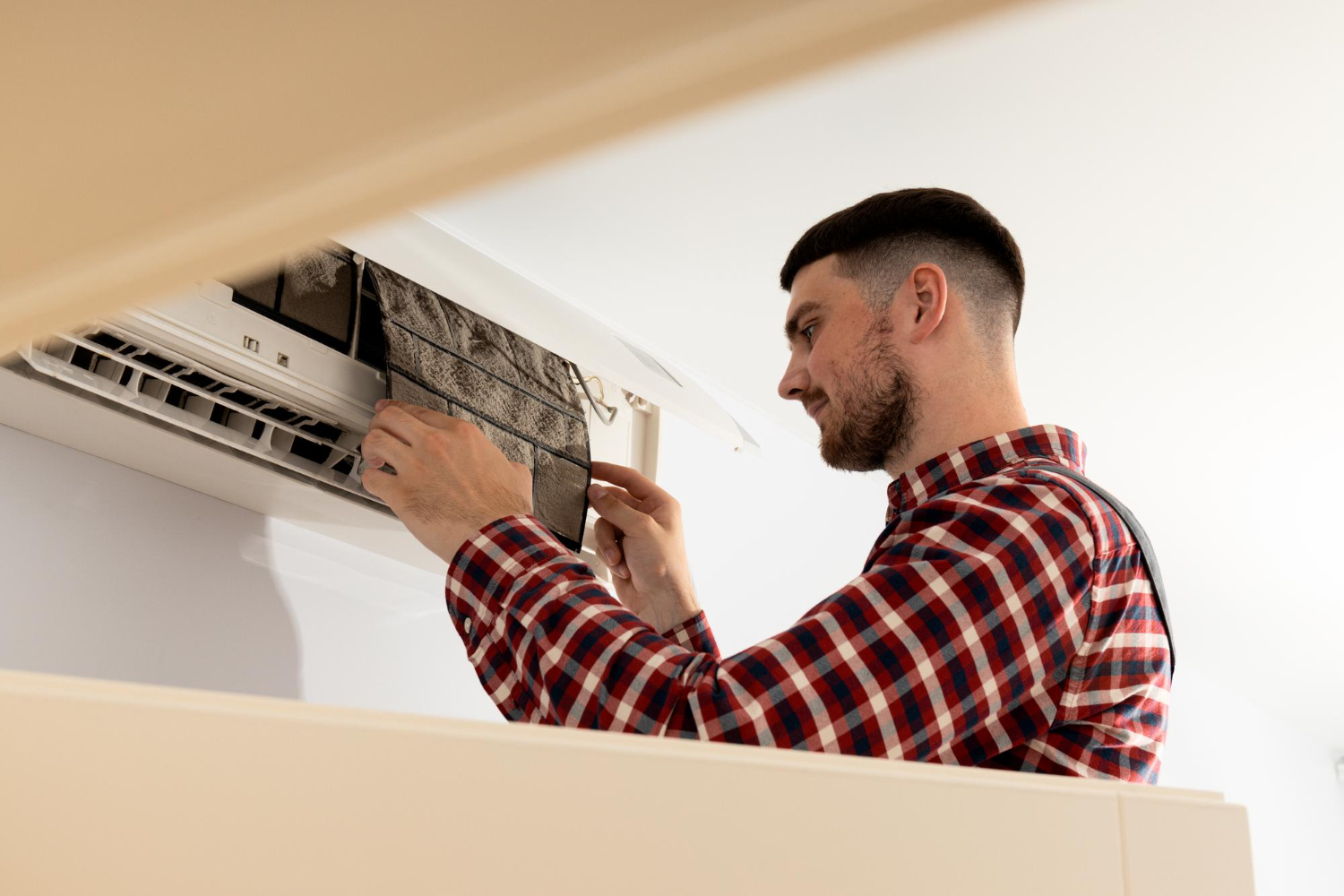
Furnace filters are meronyms of the airflow system—when clogged, they restrict flow, forcing the blower motor to run longer and reducing heat transfer across the heat exchanger. Filter types range across MERV ratings; higher MERV values improve particulate capture but can impede airflow in some systems, so selection should match manufacturer guidance. Inspect filters monthly during heavy-use seasons and replace them every 1–3 months depending on household factors like pets and indoor air quality needs. Signs of an overdue filter include reduced airflow at registers, increased cycle times, and higher utility bills; addressing these symptoms restores designed airflow and reduces energy consumption. Correct filter management ties directly into efficient combustion and duct performance, which we’ll cover in the maintenance checklist below.
A structured maintenance checklist separates safe DIY tasks from professional work and creates predictable savings by preventing avoidable efficiency losses and costly failures. Performing routine checks keeps airflow unobstructed, controls accurate, and equipment operating within specification; professional services complement DIY tasks with combustion analysis and safety verification. Below is a concise checklist homeowners can follow to maintain efficient operation throughout the heating season.
Basic maintenance tasks for homeowners to perform regularly:
These actions avoid chronic airflow restriction and control errors; for deeper system validation and combustion efficiency, professional tune-ups play a key role as described next.
This checklist clarifies which tasks save energy quickly and which require technician expertise; combining both minimizes downtime and maximizes seasonal savings.
Homeowners can safely perform several effective maintenance steps that preserve efficiency and reduce service needs when done correctly.
Start by turning off power before replacing filters, then inspect the burner area visually through access panels without removing safety guards. Ensure return grills and supply registers are unobstructed and vacuum dust around vents and the furnace base to improve airflow; this helps the blower operate less and reduces motor wear. Test thermostat setpoints and battery operation, and document any odd sounds, cycling patterns, or discoloration of the burner flame—these observations guide professional diagnostics.
Note that tasks involving combustion components, gas pressure, or heat-exchanger access are unsafe for DIY and should be deferred to a qualified technician.
Professional tune-ups are recommended annually before the heating season to verify combustion efficiency, safety controls, and system calibration, which together preserve AFUE performance and prevent hazardous conditions. Red-flag symptoms that warrant immediate service include a persistent yellow flame, unusual exhaust odors, frequent short cycling, and sudden performance loss; these may indicate combustion or safety issues such as incomplete combustion or a failing heat exchanger. During a professional tune-up, technicians perform burner cleaning, combustion analysis, venting inspection, gas-pressure checks, and safety-control testing—services that materially restore efficiency and reduce long-term operating costs. For homeowners in Paso Robles and surrounding areas, scheduling a pre-season inspection ensures peak operation during cool nights and provides peace of mind before sustained use.
Upgrading to a high-efficiency furnace improves fuel-to-heat conversion, reduces annual energy consumption, and often enhances comfort through features like variable-speed blowers and two-stage burners. AFUE (Annual Fuel Utilization Efficiency) is the primary metric, expressing the percentage of fuel converted to heat; higher AFUE means less waste. Modern high-efficiency units operate more quietly, modulate output for stable indoor temperatures, and can lower operational costs over time even after accounting for installation. When evaluating an upgrade, consider local rebates and the unit’s AFUE—manufacturers like Trane and Mitsubishi represent reputable options for homeowners seeking high-efficiency models and advanced controls suited to Central Coast climates.
*Estimated savings depend on local fuel prices and usage patterns; high-efficiency models commonly deliver up to ~15% lower fuel use versus much older standard units.
This comparison helps homeowners weigh upfront investment against operating savings; further, choosing an experienced installer ensures correct sizing and duct compatibility, which maximizes ROI.
AFUE is a simple semantic triple: AFUE [entity] indicates [relationship] how much fuel becomes heat [entity]. A 78% AFUE furnace converts 78% of fuel energy into heat, while a 95% unit converts 95%, meaning the latter wastes far less energy. For example, replacing a 78% unit with a 95% unit reduces wasted fuel proportionally; for a household that used $1,200 annually on heating, a jump in AFUE could lower the bill by a measurable percentage depending on usage patterns—often several hundred dollars over a year. Local incentives can improve payback timelines, and manufacturers' features like variable-speed blowers further enhance seasonal performance. Understanding AFUE helps homeowners calculate likely savings and prioritize upgrades that match their goals.
US Residential Furnace Efficiency: Energy and Economic Impacts
This paper presents analysis of the life-cycle costs for individual households and the aggregate energy and economic impacts from potential energy efficiency improvements in U.S. residential furnaces. Most homes in the US are heated by a central furnace attached to ducts for distributing heated air and fueled by natural gas. Electricity consumption by a furnace blower is significant, comparable to the annual electricity consumption of a major appliance. Since the same blower unit is also used during the summer to circulate cooled air in centrally air conditioned homes, electricity savings occur year round. Estimates are provided of the potential electricity savings from more efficient fans and motors. Current regulations require new residential gas-fired furnaces (not including mobile home furnaces) to meet or exceed 78 percent annual fuel utilization efficiency (AFUE), but in fact nearly all furnaces sold are at 80 percent AFUE or higher. The possibilities for
High-efficiency furnaces reduce fuel consumption, smooth temperature swings through modulating outputs, and lower noise with advanced blower controls, which collectively improve perceived comfort while cutting long-term operating costs. Reduced cycling also diminishes wear on components, potentially extending functional lifespan and lowering maintenance frequency. Environmental benefits include lower greenhouse-gas emissions due to decreased fuel use, and combined with local rebates the net cost over the equipment lifecycle can be favorable. Proper installation and duct compatibility are critical; a high-AFUE furnace installed on poorly sealed ducts will underperform, so holistic planning that includes duct work and controls yields the best comfort and savings outcomes.
Duct sealing fixes meronyms—the ducts and joints—that can leak conditioned air into unconditioned spaces, effectively increasing furnace run times and reducing effective AFUE. Sealing and insulating ducts reduces heat loss, improves room-by-room balance, and reduces strain on the blower motor, which in turn lowers energy consumption and improves indoor air quality by limiting entry of attic or crawlspace dust. Leaky ducts are especially impactful in homes with ducts in attics or unconditioned crawlspaces common on the Central Coast; addressing these leaks yields both efficiency gains and better comfort. Below we map common duct issues to their effects and remedies to guide prioritization.
Addressing these issues restores delivery of conditioned air, reduces furnace runtime, and helps maintain indoor air quality by limiting infiltration of dust and contaminants into the distribution system.
Leaky ducts reveal themselves as cold spots, large temperature differences between rooms, dusty registers, or unusually high utility bills despite normal thermostat settings. Simple home checks include feeling for air leaks at accessible joints while the system runs and noting pressure imbalances when doors are closed; large leaks commonly exist in attics and crawlspaces. Because leaky ducts can waste a significant share of conditioned air—studies and field reports often cite losses up to around 20%—the furnace must run longer to maintain setpoints, increasing fuel use and accelerating component wear. When homeowners observe these symptoms, a professional duct test or targeted inspection can quantify leakage and guide effective sealing strategies.
Professional duct cleaning and sealing use industry-accepted materials—mastic, foil-backed tape, and mechanical fastening—applied after inspection and often combined with targeted cleaning to restore airflow and IAQ. DIY quick-fixes like standard duct tape are inadequate; instead, seal visible seams with mastic or UL-classified foil tape and insulate exposed runs. When contamination or major blockages are present, NADCA-standard cleaning by qualified technicians ensures particulates are removed without damaging the system. Post-work verification, such as airflow testing or a visual inspection and noting improved register temperatures, confirms expected efficiency gains and better room balance. Properly executed sealing often yields noticeable reductions in runtime and improved comfort.
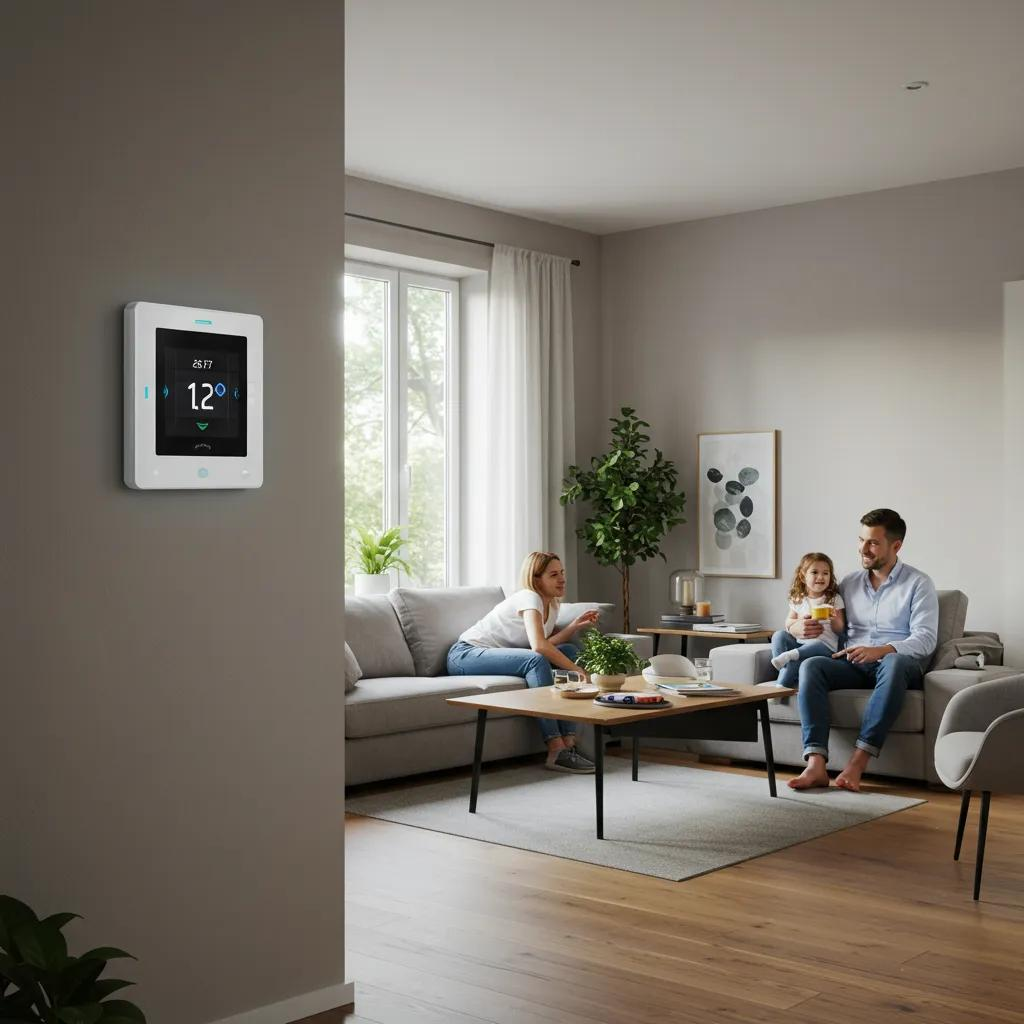
Smart thermostats and conservative setpoints reduce furnace runtime by lowering set temperatures during predictable away or sleeping periods and by using adaptive scheduling to match occupancy. The core mechanism is reduced heat loss when the indoor setpoint is lower; each degree of setback reduces the temperature differential between inside and outside and reduces heat loss rate. Smart features like geofencing, learning algorithms, and remote control enable automated setbacks without sacrificing comfort at return times. Implementing sensible setback strategies and leveraging smart controls can deliver steady savings while keeping living spaces comfortable based on usage patterns.
Below are sample thermostat strategies homeowners can adopt:
These control strategies reduce unnecessary runtime and pair well with duct sealing and proper insulation to compound savings; next we’ll specify ideal setpoints and practical thermostat selection tips.
For many homeowners, an ideal occupied setpoint is around 68°F, with setbacks of 7–10°F during sleep or away periods to reduce heat loss and furnace runtime. This balance maintains comfort while achieving measurable savings because a lower indoor-outdoor temperature difference reduces the rate of heat flow out of the house. For households sensitive to cooler setpoints, incremental adjustments and improved bedding or localized heaters for occupied rooms can preserve comfort while still realizing efficiency gains. Consistent use of these setpoints combined with smart scheduling yields predictable reductions in heating energy.
Improving furnace efficiency not only lowers energy bills but also enhances comfort and extends the lifespan of your equipment. By implementing practical maintenance tips and considering upgrades, homeowners can achieve significant savings and a more reliable heating system. Take the first step towards a more efficient home by exploring our expert resources and recommendations. Start optimizing your furnace today for a warmer, more cost-effective winter.

Get 0% Financing for 12 Months with Deferred Interest! Enjoy no payments and no interest on select plans.




I called Straight Line since we were having issues with the fan in our AC unit. They ended up coming out within a couple hours of my phone call since they had a last minute opening and installed a new motor right away. Their service and reliability blew me away, and the technicians were super friendly and knowledgeable. Thank you so much!
Sydney and his team spent a lot of time developing the right solution for the heating and cooling issues of our two story house in Paso and they went out of their way to get the installation done on a rather tight schedule before the holiday season. The Fujitsu mini-split systems that they installed are great and their installation workmanship was excellent.
We had a problem with our heater and come to find out we needed a new furnace. I proceeded to get 3 bids. Straightline came in with the best price for a new Trane furnace. The crew was pleasant, professional and very neat and organized. I would highly recommend them to anyone.
Straightline replaced our heating and air, duct work and whole house fan. They are excellent, everything Is perfect. They were very professional from start to finish and went out of their way to make sure everything worked right, right down to the final inspection. Their pricing is right and I would highly recommend them to everyone.
Amazing, Awesome, Fast & Knowledgable Service!! I called and left a message in the morning, and Stephanie returned my call within less then 2 hours! I had Sydney out to our house within same day and our A/C is now fixed on a day that is supposed to be 109! Thank you Straight Line❤️